
Course Description
Course Description: This course prepares early childhood educators (PreK–3) to design and implement engaging science and social studies learning experiences that reflect the Vermont Early Learning Standards (VELS) and Next Generation Science Standards (NGSS). Emphasis is placed on fostering children’s curiosity through inquiry, play, and multisensory approaches to learning. Educators will explore strategies for integrating literacy, community-based learning, and cultural perspectives into instruction while supporting children’s developing scientific and historical thinking. Coursework combines readings, collaborative discussion, classroom observations, and reflective practice to create a shared vision for high-quality science and social studies instruction in early childhood settings.
Audience: This course is intended for aspiring or practicing early childhood educators who wish to deepen their understanding of how young children investigate and make sense of the natural and social world. Participants will gain tools to design developmentally appropriate, culturally responsive learning opportunities that connect children’s questions and ideas with standards-based practices in science and social studies. A bachelor’s degree is required.
Session Information
January 30th, 2027 (synchronous virtual 8:30-3:30)
March 6, 2027(synchronous virtual 8:30-3:30)
April 3rd, 2027(synchronous virtual 8:30-3:30)
May 1, 2027 (synchronous virtual 8:30-3:30)
Instructors
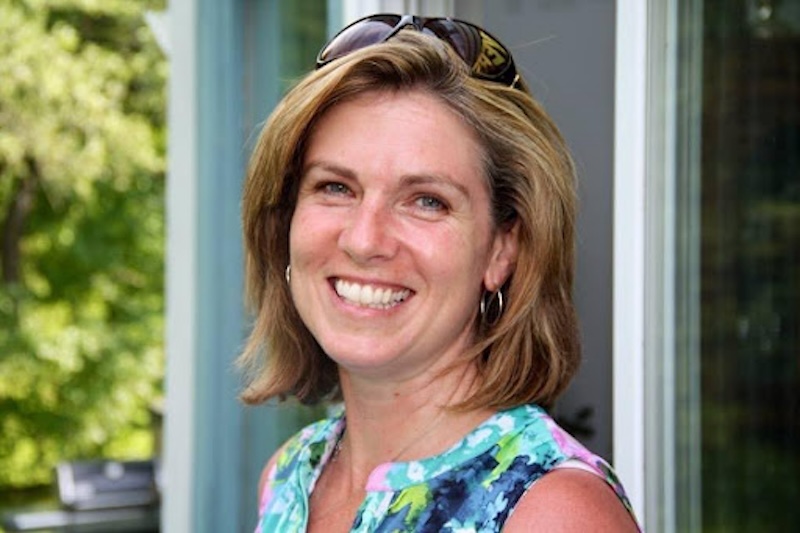
Suzan Locke, M.Ed.
Suzan Locke, M.Ed.
Suzan Locke is the Pk-4 Principal of the Hinesburg Community School. She has served the HCS community in this role since 2016, bringing with her over 20 years of classroom experience across multiple grade levels. Born and raised in Vermont by two classroom teachers, Suzan pursued a career in education after graduating from Johnson State College with a BA in Elementary Education. She went on to earn her Masters of Education from Southern New Hampshire University in 2003. In her time as a classroom teacher, Suzan served as a Science Teacher Leader for the Hartford School District, a role that led to her active participation in a Professional Learning Collaborative focused on implementing the Next Generation Science Standards. Suzan also served on a committee tasked with designing a mentoring program for new teachers. Fostering a healthy environment for teachers to learn and grow continues to be a passion for her. Suzan was a finalist for the Presidential Awards for Math and Science Teaching in 2014. Suzan lives in South Hero, Vermont with her husband of over 30 years. They are proud parents of two kids. She enjoys kayaking, hiking, and biking in her free time
Additional Content Area
Course Goals:
1.Participants will have the knowledge and skills to:
Incorporate Scientific & Social Inquiry: Create developmentally engaging learning opportunities that stimulate young children’s scientific and social thinking in alignment with the Vermont Early Learning Standards (VELS), Next Generation Science Standards (NGSS), and C3 Framework for Social Studies.
2. Address Early Concepts & Cultural Perspectives: Recognize and build upon the naïve scientific ideas, emerging social concepts, and misconceptions that young children bring to the classroom regarding the natural world and their place in the community.
3. Integrate Tools & Safe Community Practices: Integrate age-appropriate scientific tools, spatial mapping tools, and safe investigation procedures into early learning experiences, emphasizing shared responsibility and safety within the classroom community.
4. Apply Engineering Design to Community Challenges: Apply the engineering design process and technology used to support problem-solving, addressing both real-world physical challenges and immediate needs within the local school or neighborhood community.
5. Use Formative Assessment & Collaborative Discussion: Use formative assessment practices—including peer dialogue, observational documentation, and collaborative reflection—to uncover children’s thinking, support student-led inquiry, and guide instructional decisions.