
Course Description
Course Description:
This course is designed to provide individuals seeking an endorsement in early childhood special education with an opportunity to integrate and reflect on theory and evidence-based practices related to assessing children from infancy to age six.
We will review federal and state laws and national position statements, such as the Division for Early Childhood (DEC) of the Council of Exceptional Children’s Recommended Practices that address the assessment of infants, toddlers, and young children with diverse cultural, linguistic, and socio-economic backgrounds. This course will examine various assessment purposes and corresponding assessment tools, formative and standardized assessments and procedures. We will also study the evaluation planning process. Participants will have opportunities to learn about different family and child assessment strategies and tools. Participants will practice the evaluation process including planning meetings, evaluations, and determination of eligibility for services.
Audience: Aspiring and current early childhood and early childhood special educators with an earned bachelor’s degree
Session Information
▪ September 19th– 8:30-3:00 (in person)
▪ October 17th – 8:30-3:00 (synchronous virtual via Zoom)
▪ November 21st – 8:30-3:00 (in person)
▪ December 12th – 8:30-3:00 (synchronous virtual via Zoom)
Instructors
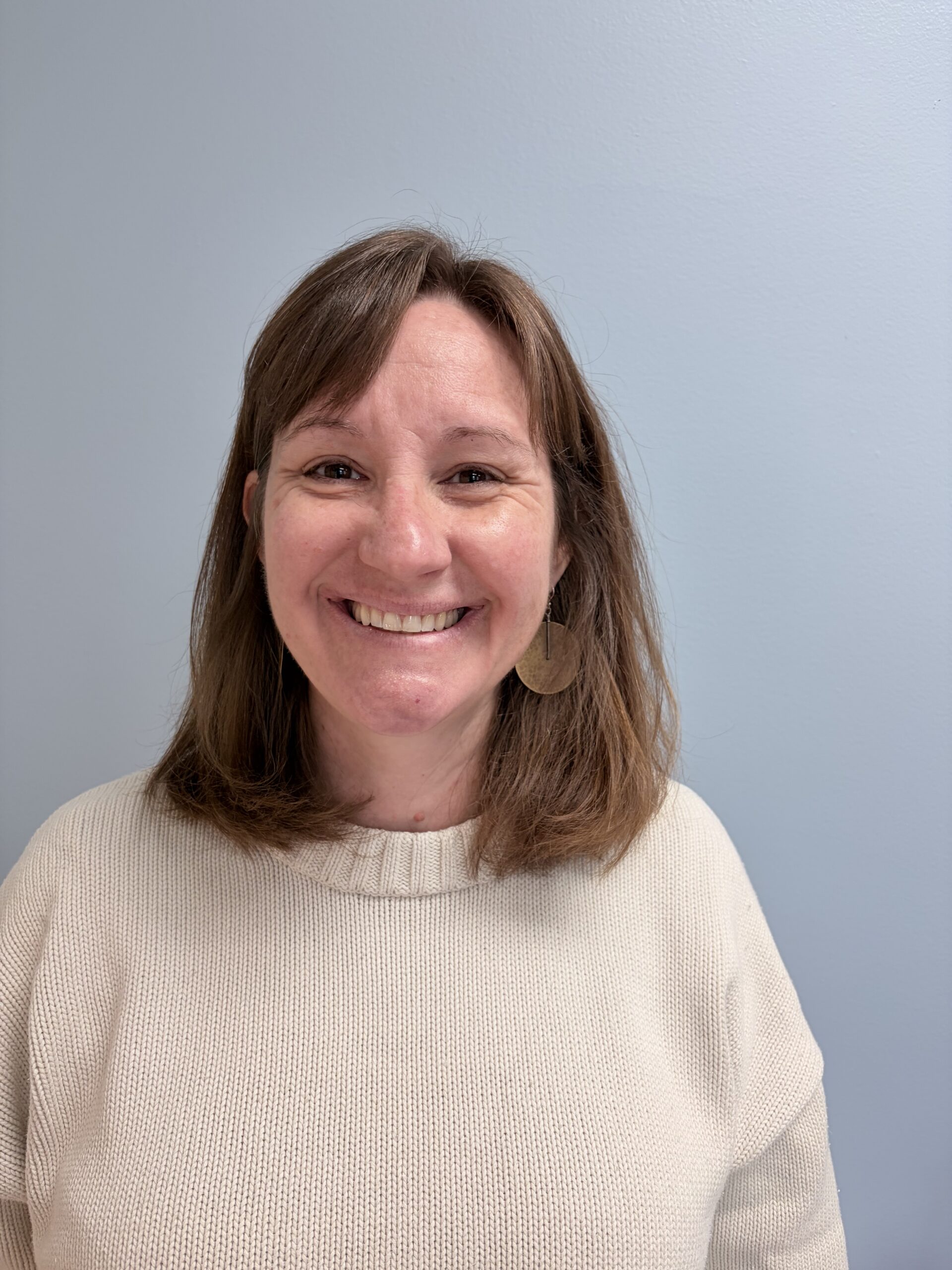
Kara McDonough, M.Ed.
Kara McDonough, M.Ed.
Kara has served as an Early Childhood Special Educator with the South Burlington School District for over 20 years. Over the course of that career, she has been in multiple roles, including Birth to Three service provider, classroom-based early childhood special educator, and currently, Preschool Outreach Early Childhood Special Educator for the district. In addition, she provides professional development, training, and coaching to local preschools and child care centers through a consulting business.
Additional Content Area
Course Goals:
1. Develop comprehensive knowledge of legal, ethical, and procedural foundations of early childhood special education assessment.
2. Demonstrate proficiency in selecting, administering, and interpreting appropriate assessments for infants, toddlers, and preschoolers.
3. Collaborate effectively with families and interdisciplinary teams in the evaluation and reporting processes.
4. Apply culturally responsive and family-centered practices in all aspects of early childhood assessment.
5. Communicate findings clearly and accurately through formal evaluation reports and in collaboration with educational stakeholders.