
Course Description
Course Description: This 3-credit course gives educators a working knowledge of Polyvagal Theory and applies it directly to classroom practice, starting with the educator’s own nervous system. Before addressing students, participants build a working, felt understanding of their own autonomic patterns, what activates them, what settles them, and how that state shapes every interaction in the room. Only from that grounding does the course turn to how trauma shows up, physiologically and behaviorally, in students. The course builds toward trauma-aware classroom strategies that stay within an educator’s appropriate scope of practice, and closes by addressing vicarious trauma and the sustainability of educator self-regulation over a full school year. This is psychoeducation and classroom strategy, not clinical training: participants are not prepared to diagnose or treat trauma. The course culminates in a Trauma-Aware Classroom Protocol, a personal regulation toolkit paired with a “recognize and respond” reference guide that participants can use immediately in their own classrooms.
Audience: General Educators, Special Educators, Administrators, Interventionist, Counselors. Must hold an earned Bachelor’s Degree.
Session Information
• Session 1: Saturday, February 20, 2027 — end of Module 1 / Week 2
• Session 2: Saturday, March 20, 2027 — end of Module 3 / Week 6
• Session 3: Saturday, April 3, 2027 — end of Module 4 / Week 8
Instructors
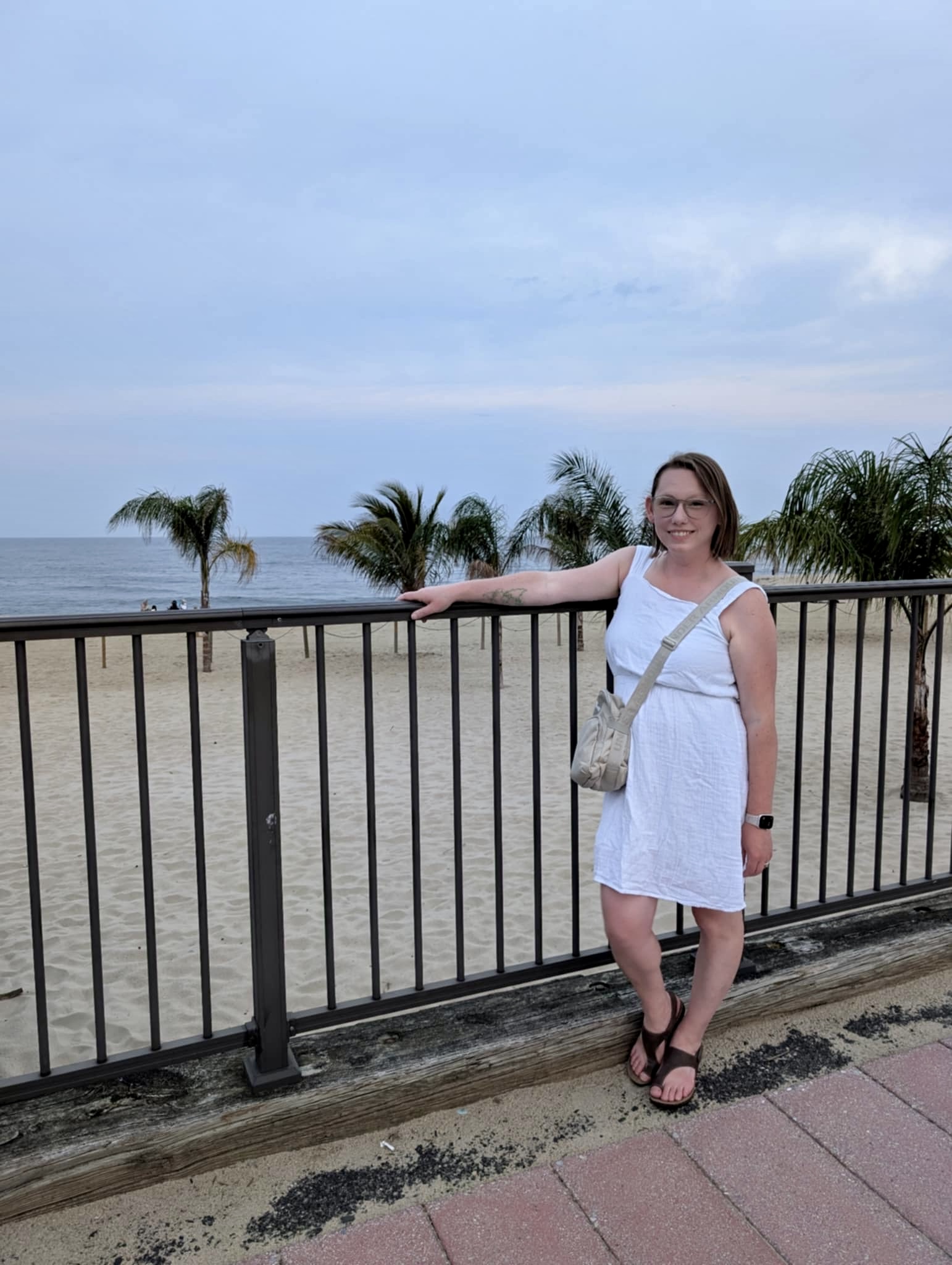
Alyssa Hutchins, M.A.
Alyssa Hutchins, M.A.
Alyssa C. Hutchins is a practicing special educator with over 10 years of experience in Vermont’s schools. She holds a Master’s in Special Education, a Level 1 Trauma-Informed certification, and a behavioral analysis certificate, and currently serves within the Rutland Northeast Supervisory Union. Alyssa is actively involved in the development and curriculum design of specialized programs and the launch of the Sudbury Therapeutic Campus for Fall 2026. Pursuing a Director of Special Education Endorsement at Vermont State University, she specializes in the combination of neuro-affirming practices, trauma-invested care, and sustainable educator wellness. Alyssa integrates her instructional and clinical experience with holistic wellness practices and is currently pursuing certifications as a trauma-informed yoga teacher and a children’s yoga teacher to provide practical somatic regulation strategies for educators and students.
Additional Content Area
Course Goals:
1. Understand the foundational principles of Polyvagal Theory and their relevance to educator and student well-being, beginning with the educator’s own nervous system.
2. Recognize how trauma manifests physiologically and behaviorally in the classroom.
3. Build a trauma-aware, safety-centered approach to classroom practice within an appropriate, non-clinical scope.
4. Cultivate sustainable practices for educator self-regulation and resilience.
5. Develop a practical, repeatable protocol for recognizing and responding to student dysregulation.