
Course Description
Course Description: Early childhood educators who support a nature-based approach in their classroom often discover that they need to embrace a unique design to curriculum development. This curriculum work often differs from conventional approaches included in college or previous internship experiences. In the context of examining indoor and outdoor environments, teachers will discuss how to utilize nature to foster skill development in young children and how to meaningfully embed early learning standards in a nature-based program. We will discuss how we can incorporate authentic observations to assess and monitor our student’s growth and to continually enrich our programs. Participants will feel empowered to incorporate developmentally appropriate teaching practices including: interactions, learning environment (indoors and outdoors), daily schedules, routines, and implement a dynamic nature-based approach in their classrooms. Participants will design a nature-based integrated curriculum unit that includes language and literacy, mathematical thinking, nature and sciences, social studies and creative expression for early education. Due to the small class size and course format, participants will have the opportunity to reflect on their current practices as they begin to consider and solidify new concepts presented.
There will be students in this course who will be working for both graduate and undergraduate credit. Expectations for written narratives, reflections and other assignments will be different, depending on the academic level chosen. In addition, the instructor looks to see graduate students step up in leadership roles when possible, facilitating discussions, adding substantively to discussions, and allowing others to benefit from their experiences and prior learning.
Audience: Early Childhood Educators: birth – grade 3
Session Information
September 28, 2026
October 19, 2026
November 9, 2026
Instructors
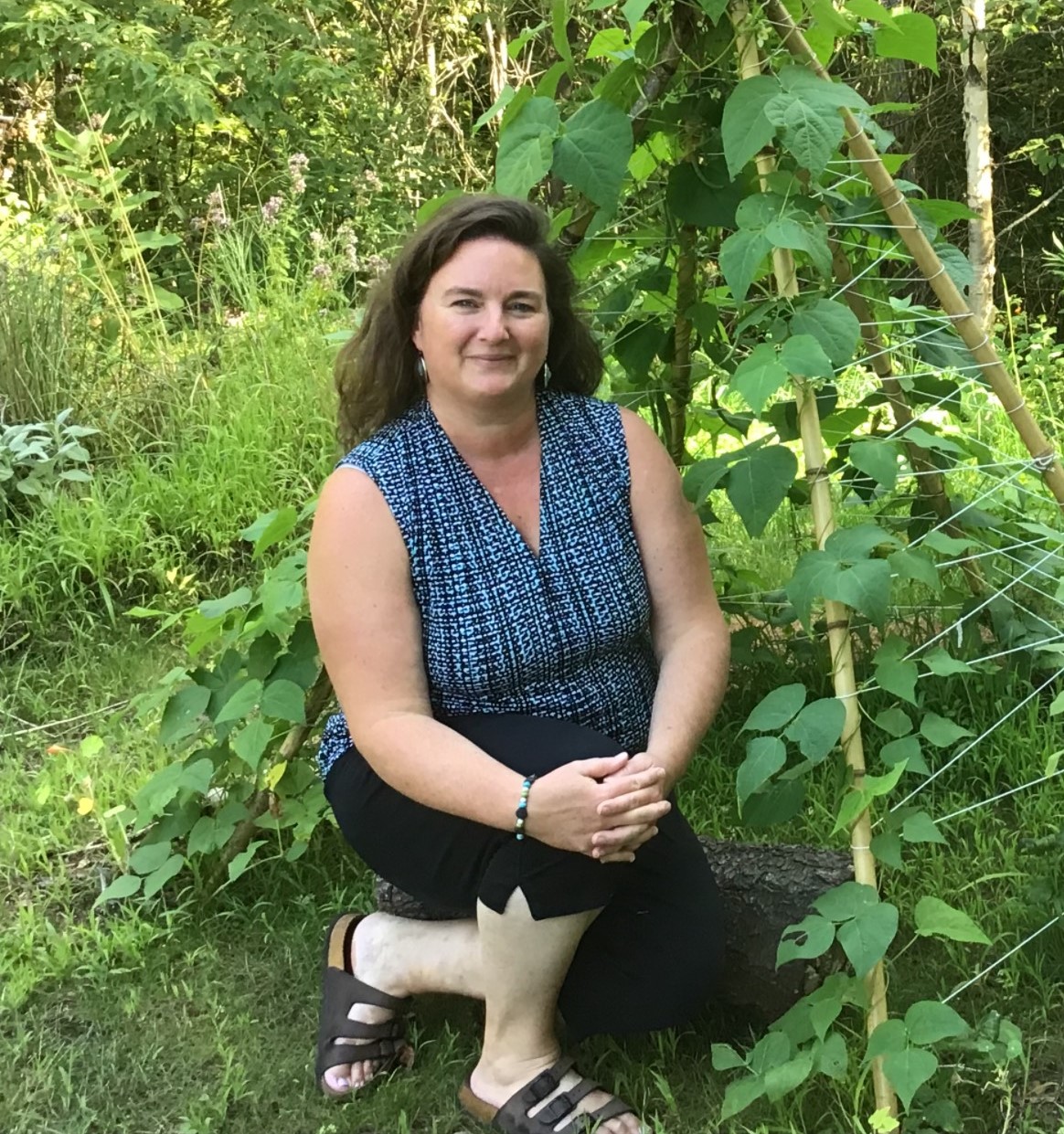
April Zajko, M.Ed.
April Zajko, M.Ed.
April Zajko, M.Ed. is an experienced nature-based educator and has led professional development programs for hundreds of teachers and early childhood educators throughout the state of Vermont. As the co-founder of the Balch Nature School she has seen the positive impact of developing outdoor classrooms for children. Over the last ten years she has been helping other teachers weave nature based approaches into their classrooms and support creating supportive learning environments for all children.
Additional Content Area
Course Goals:
1. Develop a thorough understanding of how nature-based early childhood programs foster whole-child development.
2. Enhance written communication skills to effectively articulate developmental benefits associated with a nature-based approach in early childhood education.
3. Apply developmentally appropriate teaching practices in real-world classroom settings, demonstrated through reflective analysis covering adult/child interactions, creation of nature-rich environments, evaluation of daily routines, and formulation of strategies fostering student ownership of learning.
4. Develop a nature-based integrated curriculum unit for early education that incorporates authentic observations into teaching practices to assess and monitor student growth, as well as scaffolding learning, presented through a well-structured and written proposal.